
What an Online Recovery Coaching Program Offers
Nov 02, 2026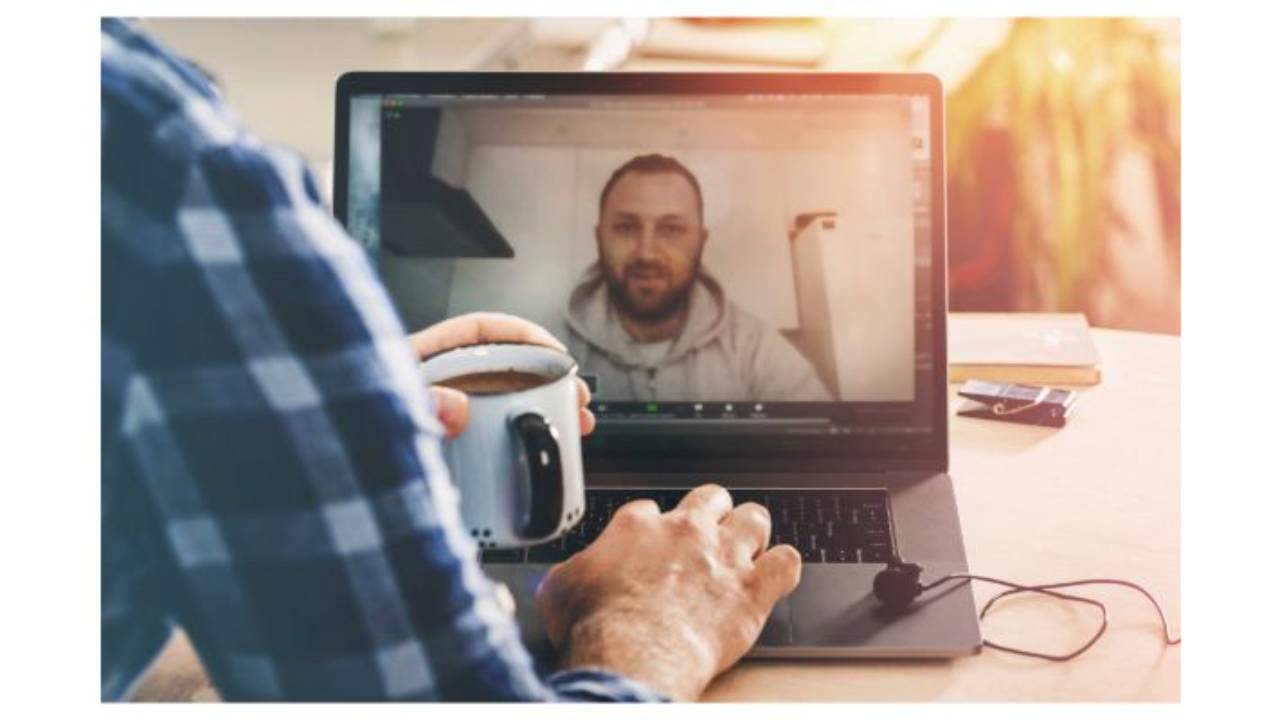
One of the hardest part of recovery is often not recognizing that something needs to change. It is knowing what to do at 9 p.m., after a stressful day, when an old pattern feels familiar and available. An online recovery coaching program creates a consistent place to bring those moments into the light, make a practical plan, and keep moving toward freedom with someone who understands the work.
Recovery does not usually become a new way of life through one powerful conversation. It grows through honest check-ins, repeatable skills, healthier connection, and choices practiced over time. For adults navigating substance use, problematic sexual behavior, food-related struggles, or relapse risk, virtual peer coaching can provide structure without requiring them to travel, rearrange a workday, or face recovery alone.
What an Online Recovery Coaching Program Is
An online recovery coaching program is a structured, nonclinical recovery relationship delivered through secure virtual sessions. It is designed to help participants identify goals, build recovery routines, recognize patterns, strengthen accountability, and respond differently when triggers or setbacks arise.
At Renewed Recovery, our coaching is peer-led and grounded in lived experience, practical recovery skills, and clear professional boundaries. A certified recovery coach does not diagnose, provide psychotherapy, prescribe medication, or replace medical or psychiatric care. Instead, the coach walks alongside the participant as a supportive guide - someone who can help turn intentions into daily action (Free Recovery Planner).
Coaching focuses on the life in front of you
Recovery coaching is forward-looking. A session may include reflecting on what happened during the past week, but the purpose is to understand what supports the next right step. Together, coach and participant can work on sleep, routines, relationships, technology boundaries, meeting attendance, spiritual practices, honest communication, or a plan for high-risk situations.
This approach is especially helpful when someone says, “I know what I should do, but I am not doing it consistently.” Knowledge matters, but recovery also requires practice. Coaching makes room for both compassion and accountability.
Online support can fit real life
Virtual coaching is not a lesser version of care simply because it happens through a screen. For many people, it is the format that makes consistent support possible. It can reduce barriers related to transportation, work schedules, child care, distance, privacy concerns, or limited local recovery resources.
It also requires intention. Participants need a private setting, a reliable device, and a willingness to show up honestly. If home is not a safe or confidential place to talk, an in-person option or another setting may be a better fit. The right format depends on a person’s needs, access, and level of support.
What Happens During Online Recovery Coaching
Most meaningful coaching has a rhythm. Rather than offering vague encouragement, a coach helps connect each session to the participant’s goals and daily reality. Structured 60-minute sessions give enough space to look at progress, challenges, and the next practical commitments without rushing past what matters.
A participant may begin by naming successes and struggles since the last session. From there, the conversation can identify triggers, thought patterns, unmet needs, or situations that made recovery more difficult. The session should end with clear action steps, not pressure to be perfect.
An online recovery coaching program may include one-to-one sessions, facilitated groups, short-term six-session plans, or longer-term support extending six months or more. Short-term coaching can be useful for creating an initial plan or responding to a transition. Longer-term coaching often offers the consistency needed to develop new habits, repair trust, and sustain change beyond an early burst of motivation.
Accountability without shame
Healthy accountability is not surveillance, punishment, or a test of whether someone deserves support. It is a relationship where honesty is welcomed and commitments are taken seriously. A coach can ask direct questions, help a participant notice where a plan broke down, and encourage a different response next time.
That matters after a lapse, too. Shame often tells people to hide, isolate, and wait until they have fixed everything before reaching out. Recovery teaches a different pattern: tell the truth sooner, reconnect, learn from what happened, and take the next helpful step. A lapse may require changes to a Recovery Plan, but it does not erase the work already done.
Support for the whole person
Addiction and compulsive behavior affect more than one area of life. They can influence physical health, emotional well-being, relationships, work, faith, and a person’s sense of identity. A holistic coaching relationship considers these connected areas while staying within the scope of peer recovery support.
For clients who want it, faith can be an active part of the conversation. Prayer, Scripture, spiritual disciplines, forgiveness, and connection to a faith community may strengthen recovery for most people. The participant can help determine how spiritual content is incorporated into coaching.
Who May Benefit Most
Online peer coaching can be a strong fit for adults who are ready to participate actively in their recovery but need more consistency than occasional support provides. This includes people in early recovery, individuals rebuilding after a relapse, and those who have been abstinent or behaviorally stable but want help protecting the life they have built.
It can also complement therapy, outpatient treatment, mutual-aid meetings, medical care, pastoral care, or support from family. These services do different jobs. A therapist may help address trauma, mental health conditions, or clinical treatment goals. A physician may address withdrawal, medications, or physical health. A recovery coach helps keep practical recovery goals visible between those appointments and in the routines of ordinary life.
Families, churches, agencies, and community organizations can benefit as well. When a person asks for help, a trusted referral pathway can prevent the common gap between recognizing a need and finding ongoing support. Partner memberships and recovery-focused training can help organizations respond with greater clarity, compassion, and appropriate boundaries.
When Coaching Is Not Enough
Coaching is not crisis care. Someone experiencing a medical emergency, overdose risk, severe withdrawal, thoughts of suicide, thoughts of harming others, psychosis, or immediate danger should seek emergency help right away by calling 911 or 988 in the United States, or by going to the nearest emergency department.
It is also wise to involve licensed clinical or medical professionals when mental health symptoms, trauma, eating concerns, medication needs, or withdrawal risks require assessment and treatment. Asking for a higher level of care is not failure. It is responsible recovery.
A trustworthy program will be transparent about these limits. It should explain what coaching can offer, protect confidentiality within applicable policies and law, and make referrals when needs go beyond a coach’s role. Clear boundaries create safer, more useful support.
How to Choose a Program That Fits
Before enrolling, consider whether the program offers a consistent structure, trained peer coaches, and a clear explanation of scope. Ask how often sessions occur, whether coaching is individual or group-based, how progress is reviewed, and what happens if a participant needs clinical or crisis support. If faith integration matters to you, ask whether it is available and whether you can choose the level of spiritual content.
It also helps to be honest about what you need right now. Do you need a six-session reset around a specific challenge? Ongoing support while rebuilding trust and routines? A group where you can practice connection? There is no single recovery timeline that fits everyone. The best plan is one you can engage with consistently and adjust as your needs change.
You do not have to have every answer before taking a first step. You only need enough willingness to be honest, accept support, and practice one new choice at a time. Where change becomes a new way of life, that next choice matters.
Check out our online Recovery Coaching Programs. We have programs for food, drugs/ alcohol and pornography recovery. All of our coaches are Peer Support Certified and have worked through the same thing you are navigating.
Stay connected with news and updates!
Join our mailing list to receive the latest news and updates from our team.
Don't worry, your information will not be shared.
We hate SPAM. We will never sell your information, for any reason.
